South Africa
Gansbaai
The White Shark Projects is a volunteer program that studies Great White sharks in the popular feeding ground known as Shark Alley, right off the coast of Gansbaai, South Africa. While getting its funding through tourism and paid-volunteers, the Project aims to generate awareness surrounding the importance of Great Whites for the balance of underwater ecosystems but also to de-stigmatize their role as “mechanical killers.” By studying their behavior, their personality can shine through.
View of Dyer Island, the left wall of Shark Alley. The right wall (not shown) is Geyser Island, home to around 60,000 Cape Fur Seals.
View of Gansbaai rocky shoreline.
Tractor pulls the boats in and out of the water.
To attract the sharks, the crew throws a tuna head tied to a string to give the shark a visual cue alongside the scent of the chum that the crew is continuously throwing into the water.
(Full disclosure: these two photos were taken by other volunteers who I have since lost contact with.) When you first get into the freezing and turbulent water (depending on the weather) and the adrenaline courses through you as your shivering fingers clutch onto the bars of the buoying cage strapped to the side of the boat, there is a tempered silence within that tries to accommodate all these shifting variables. And it awaits your release as you stare blankly into the empty fog of turquoise, unsure of when this king of creatures will swim into sight. Then you see its torpedo shape hover closer, and the release of your adrenaline is a leak that endures for the duration of its visit.
Road-side views of the country side near Gansbaai.
Road-side views of a yellow field.
En route from Gansbaai back to Cape Town.
Makalali Reserve near Hoedspruit
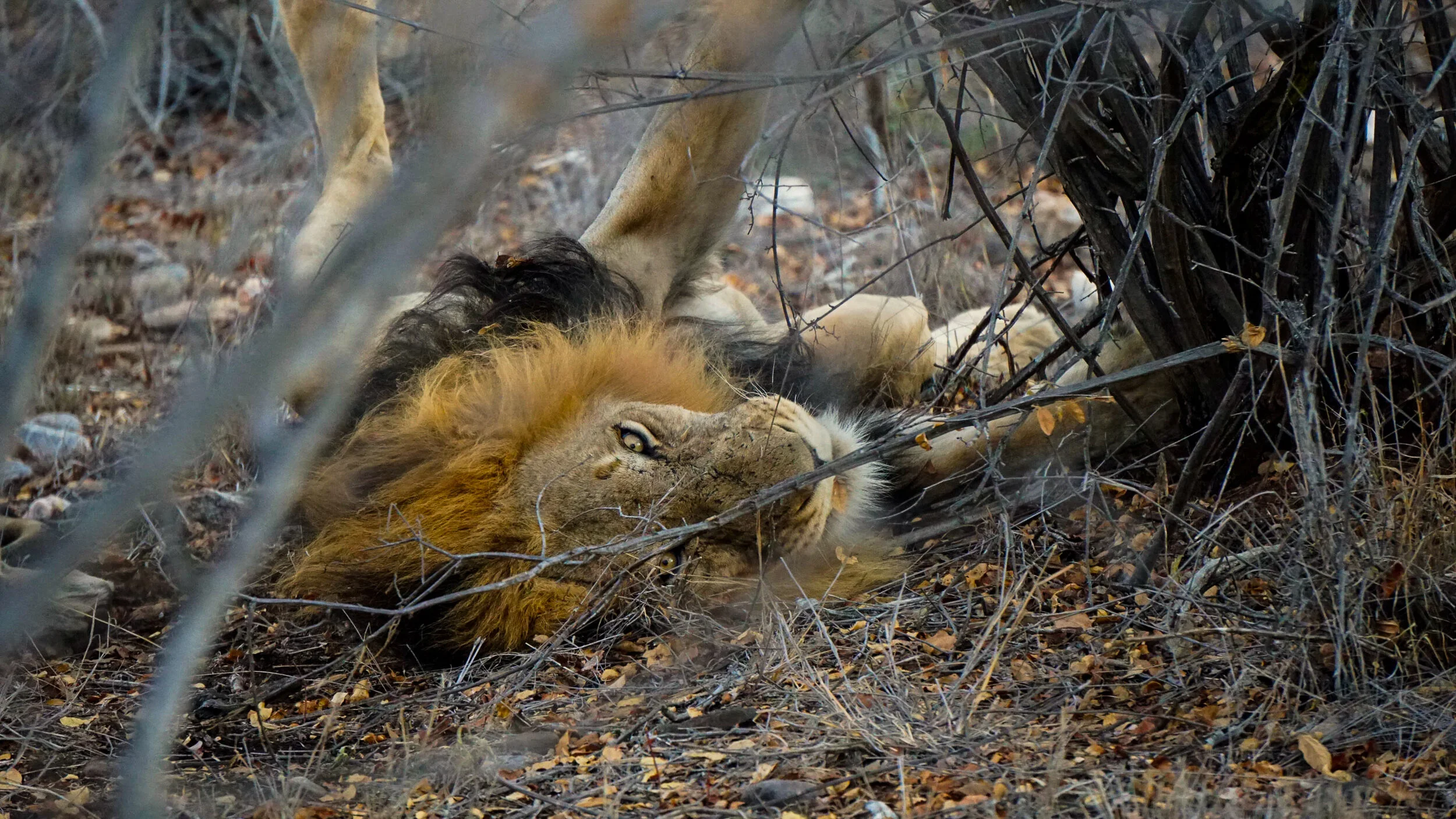
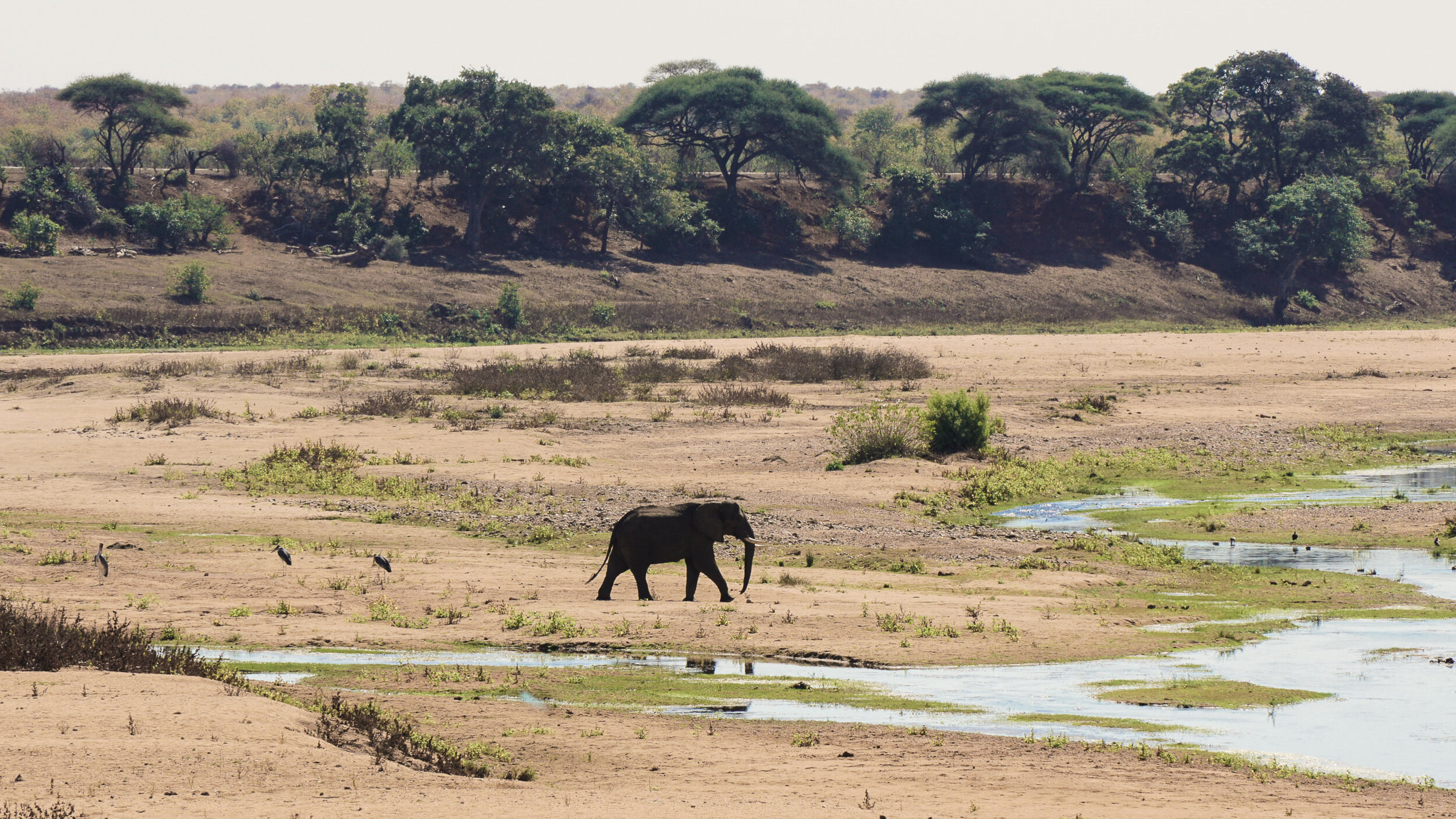
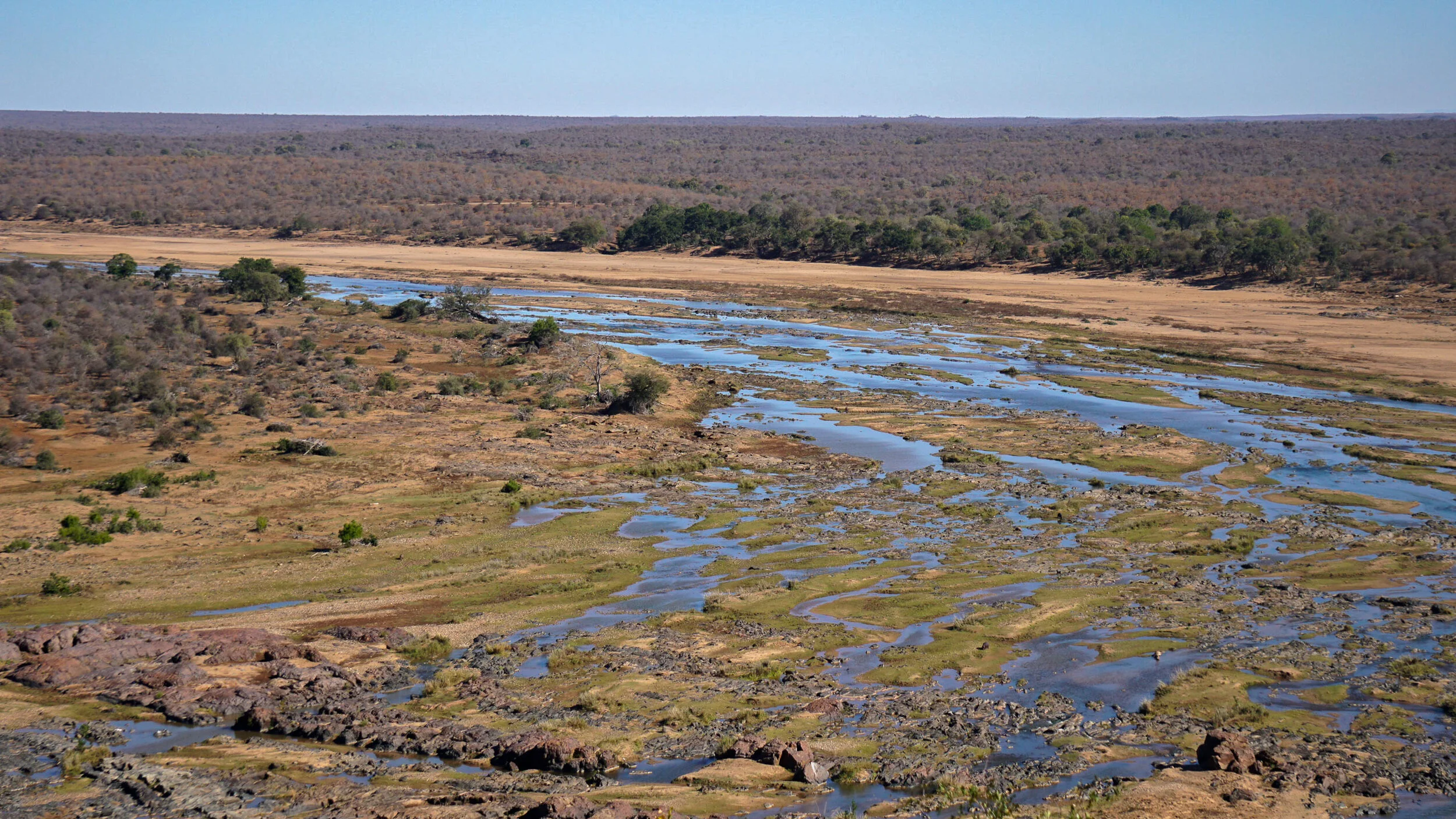
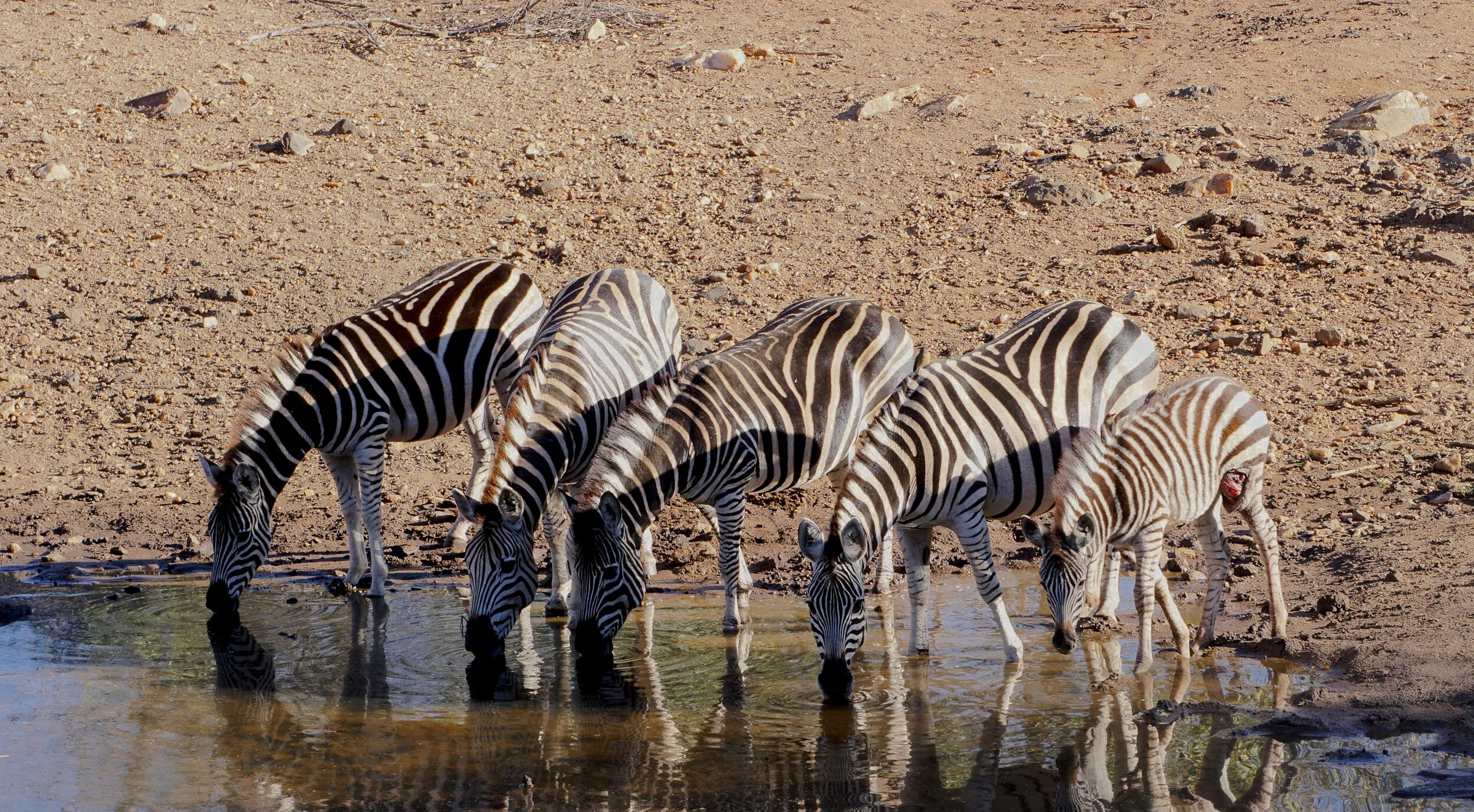
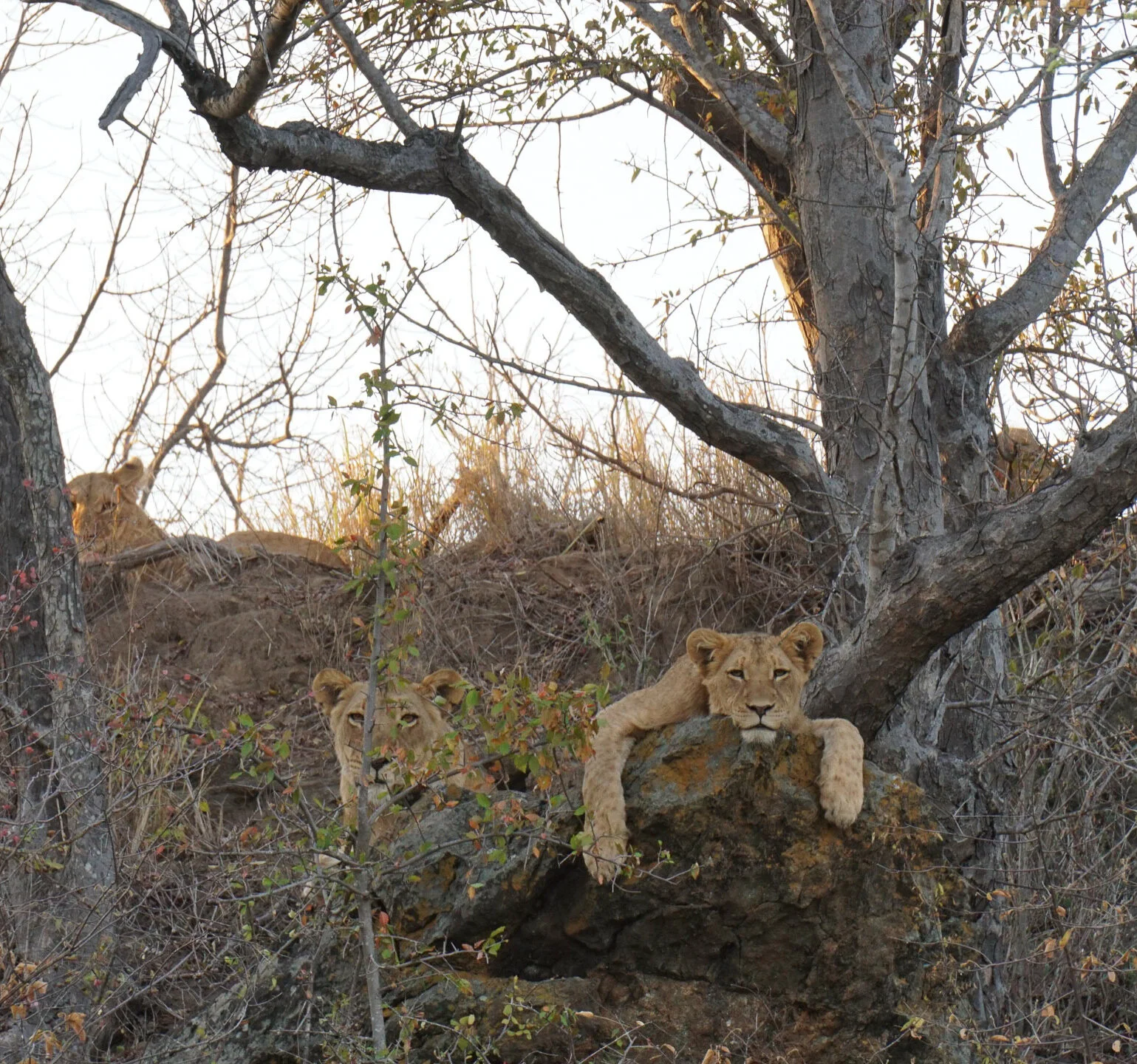
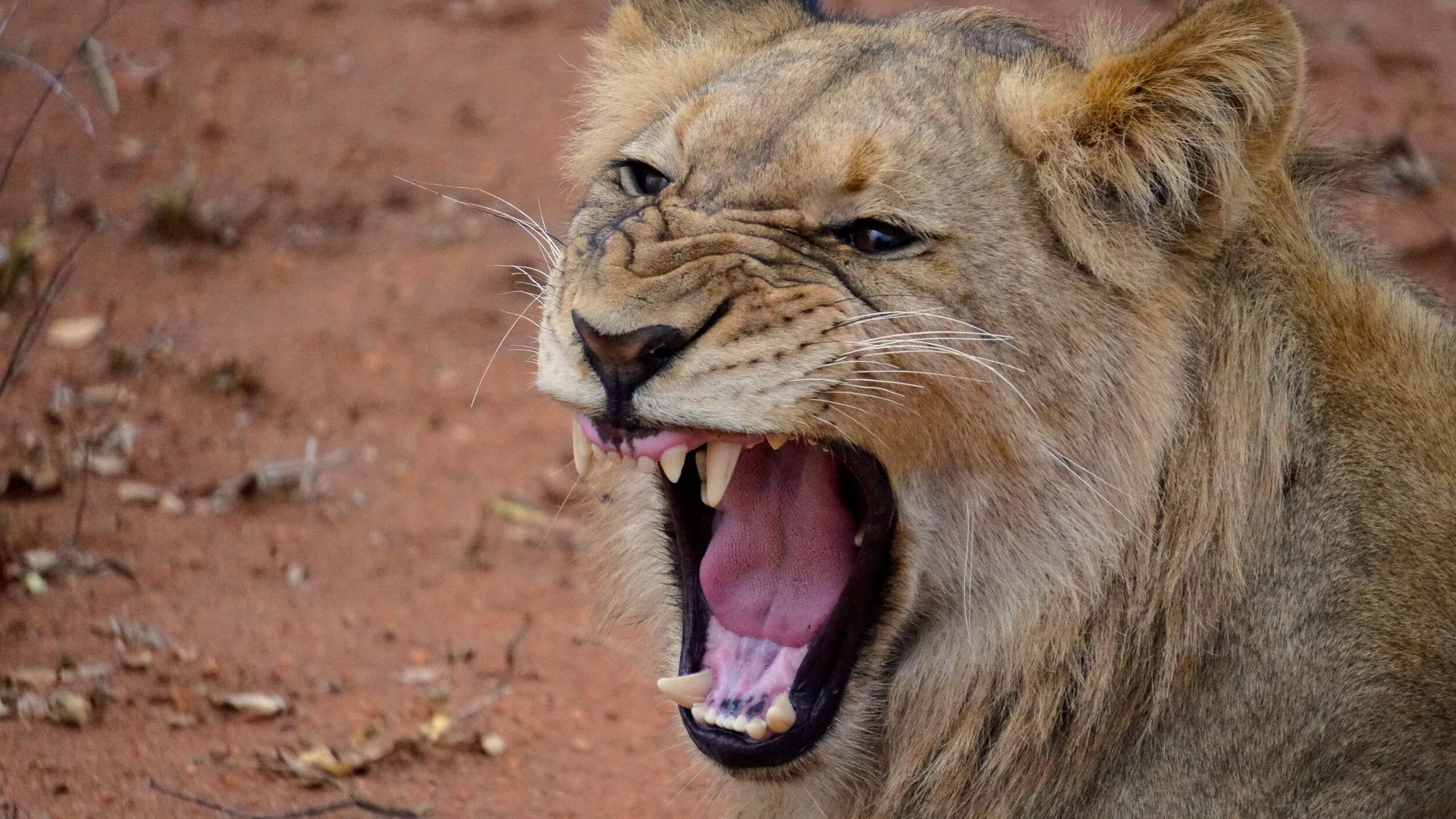
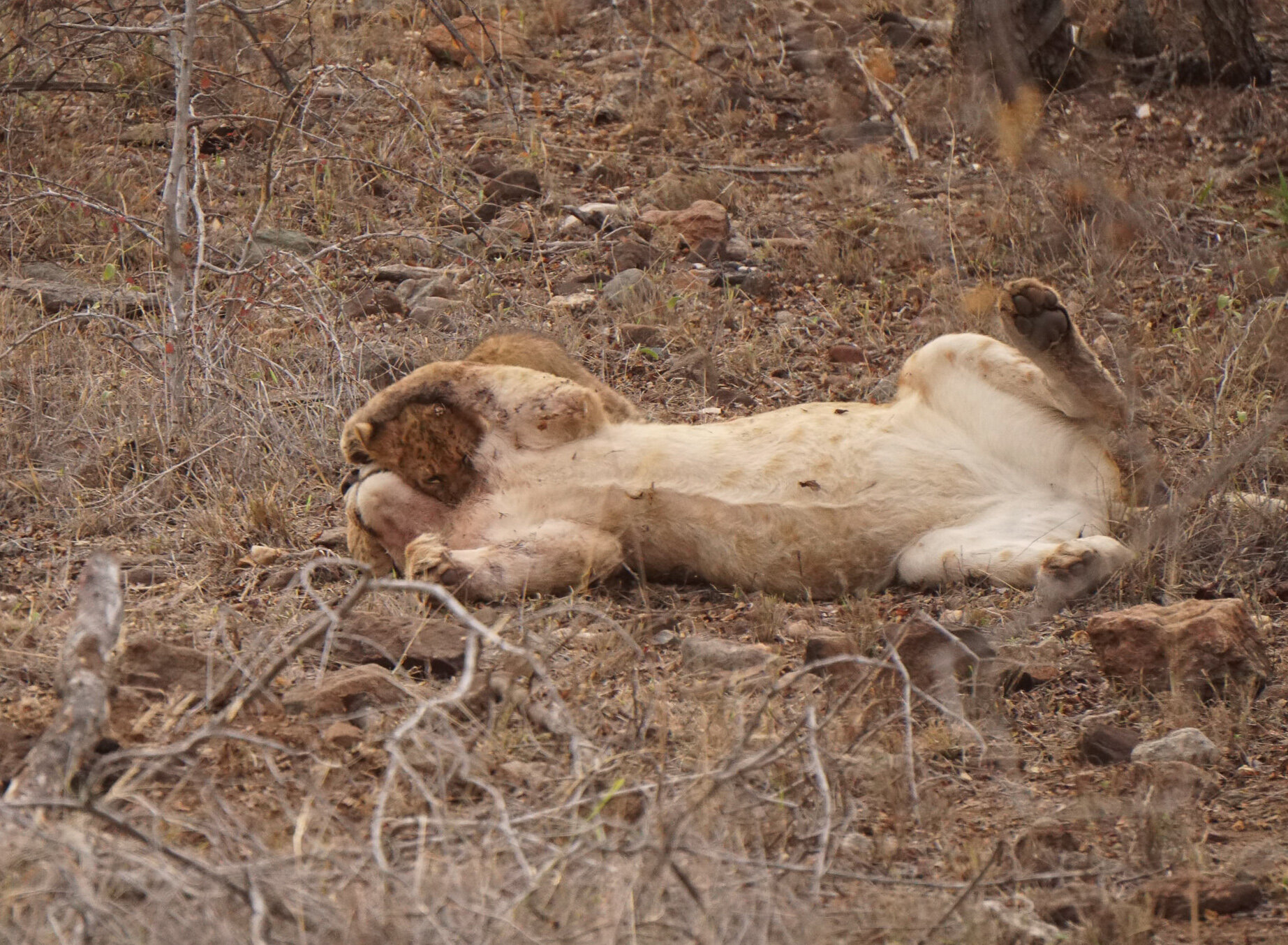
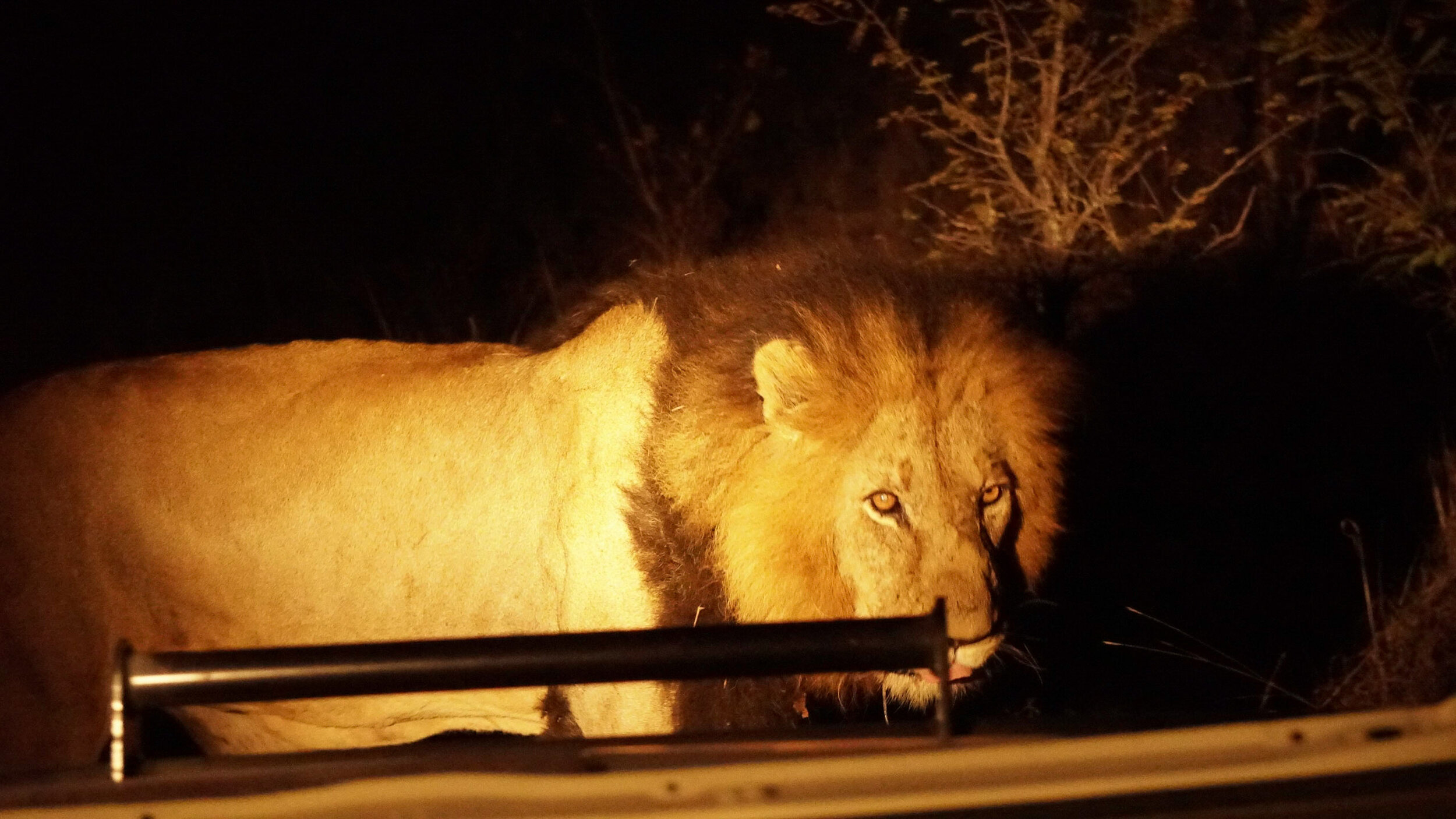
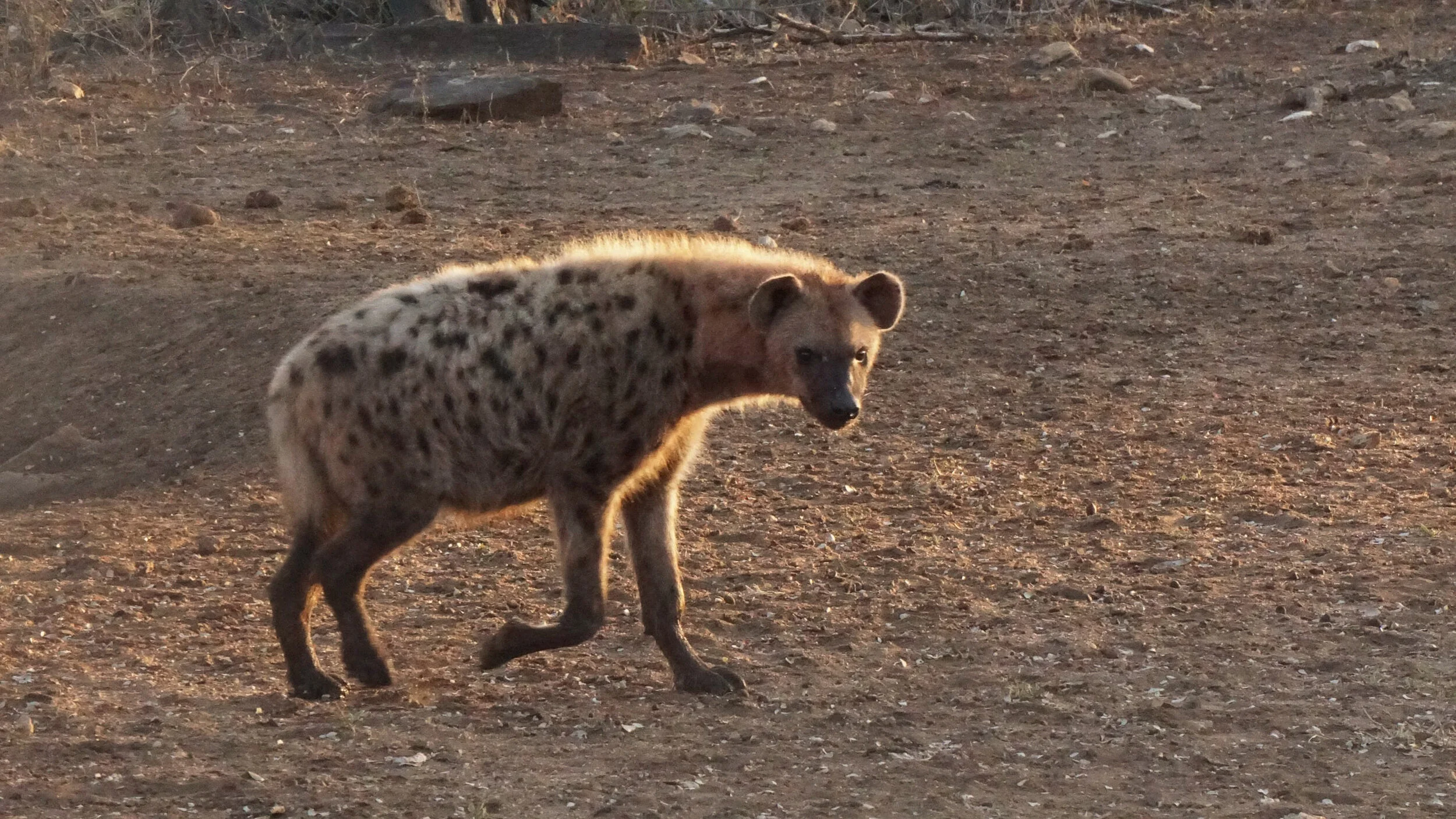
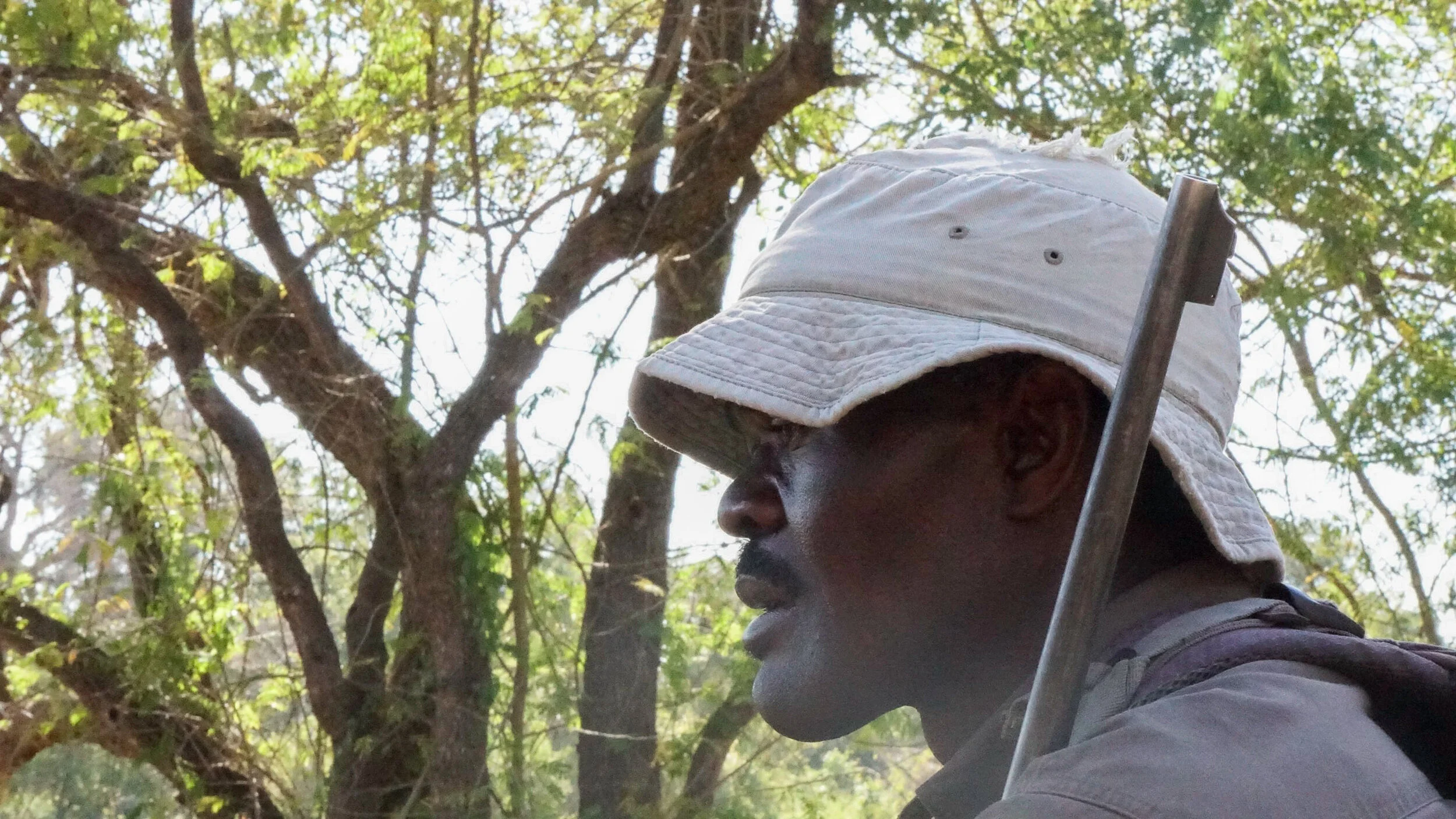
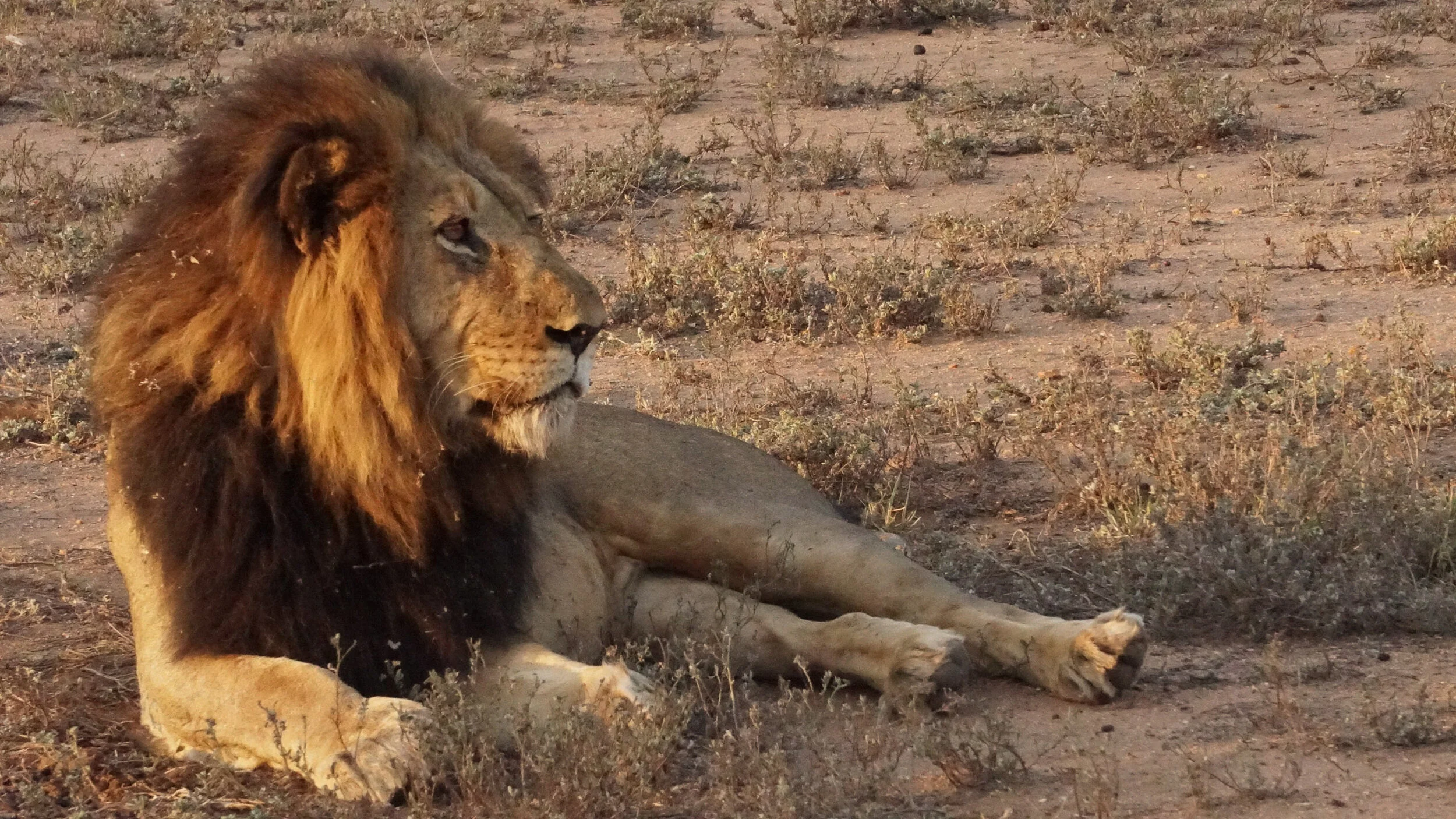
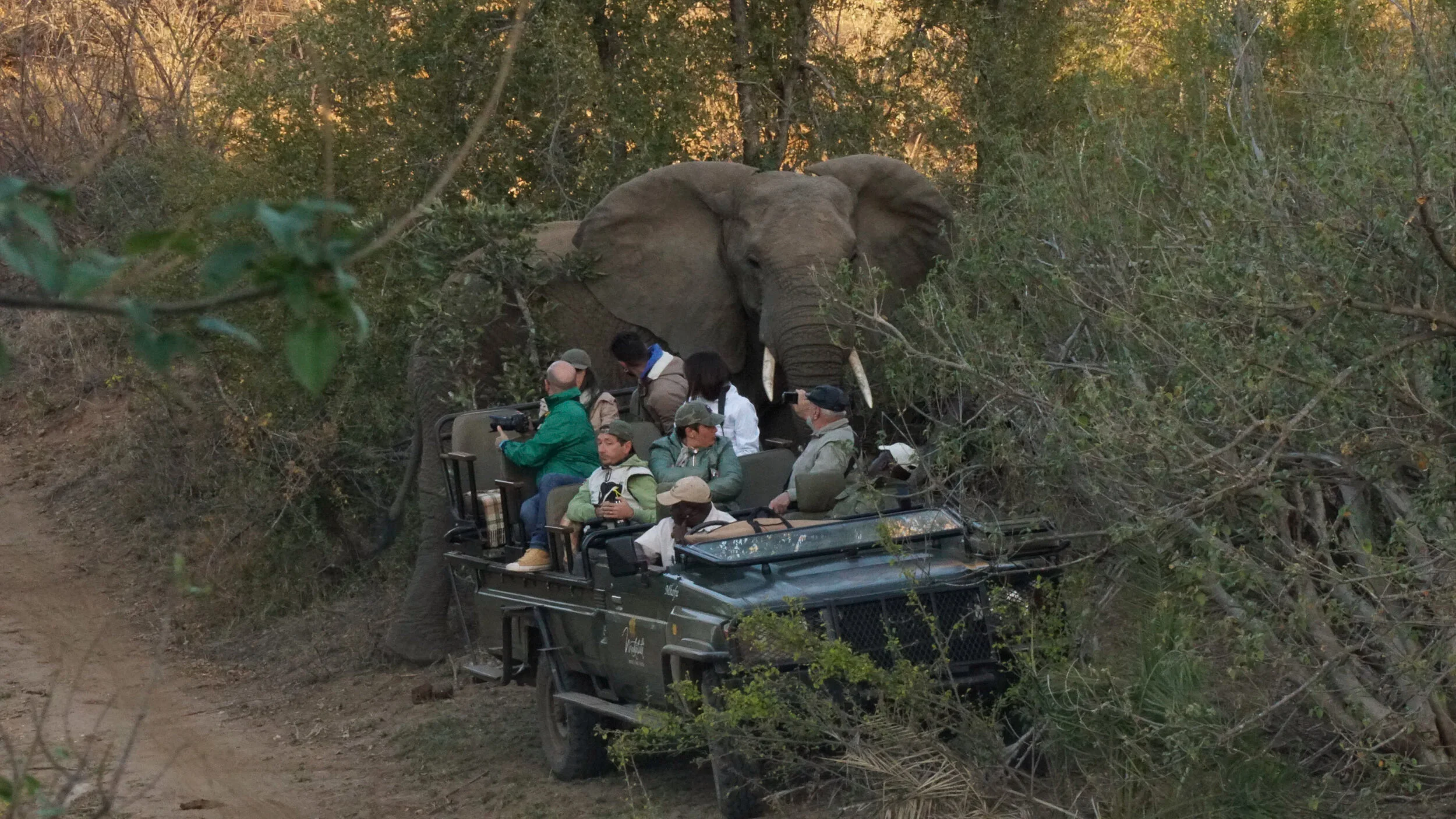
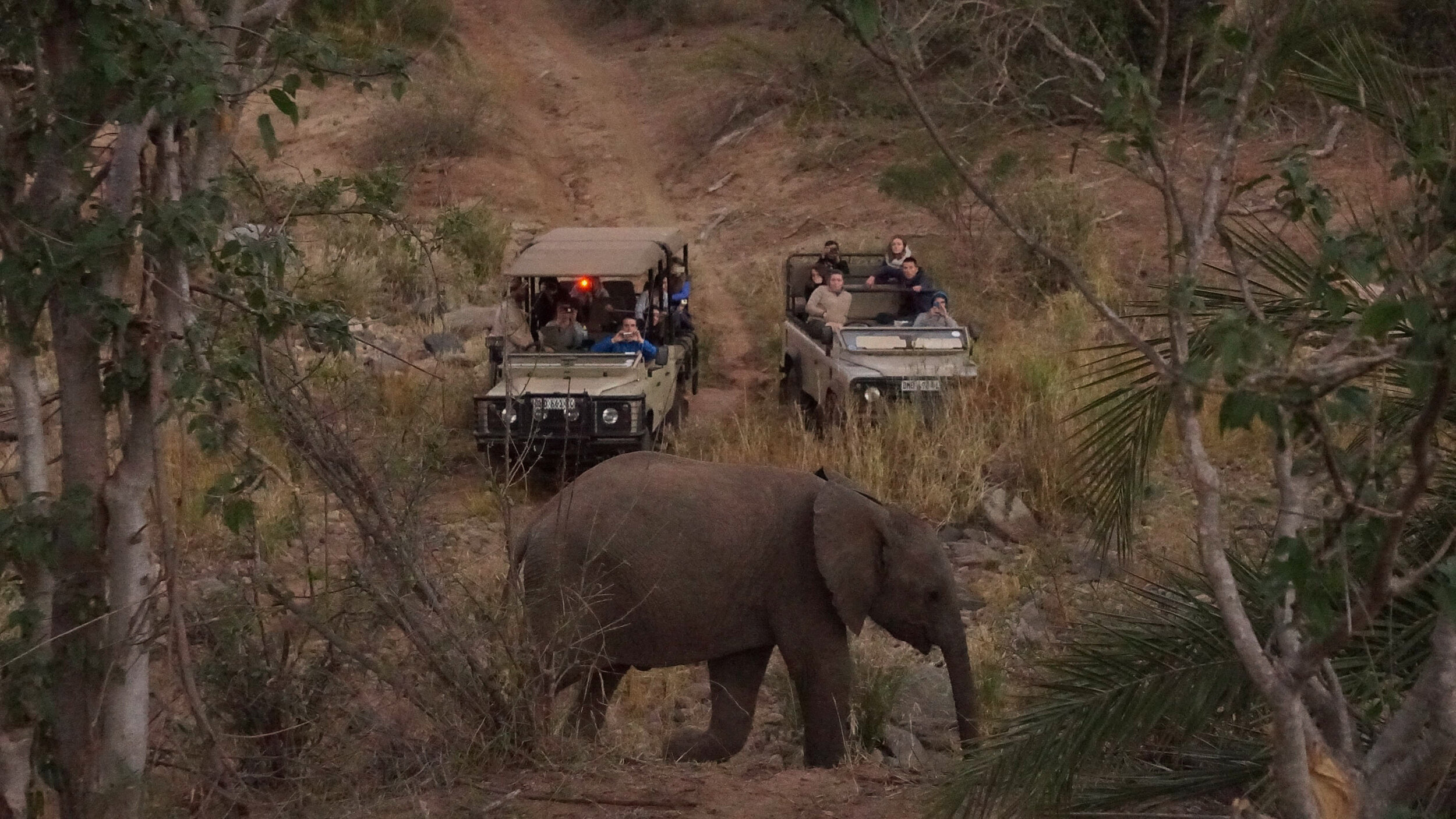
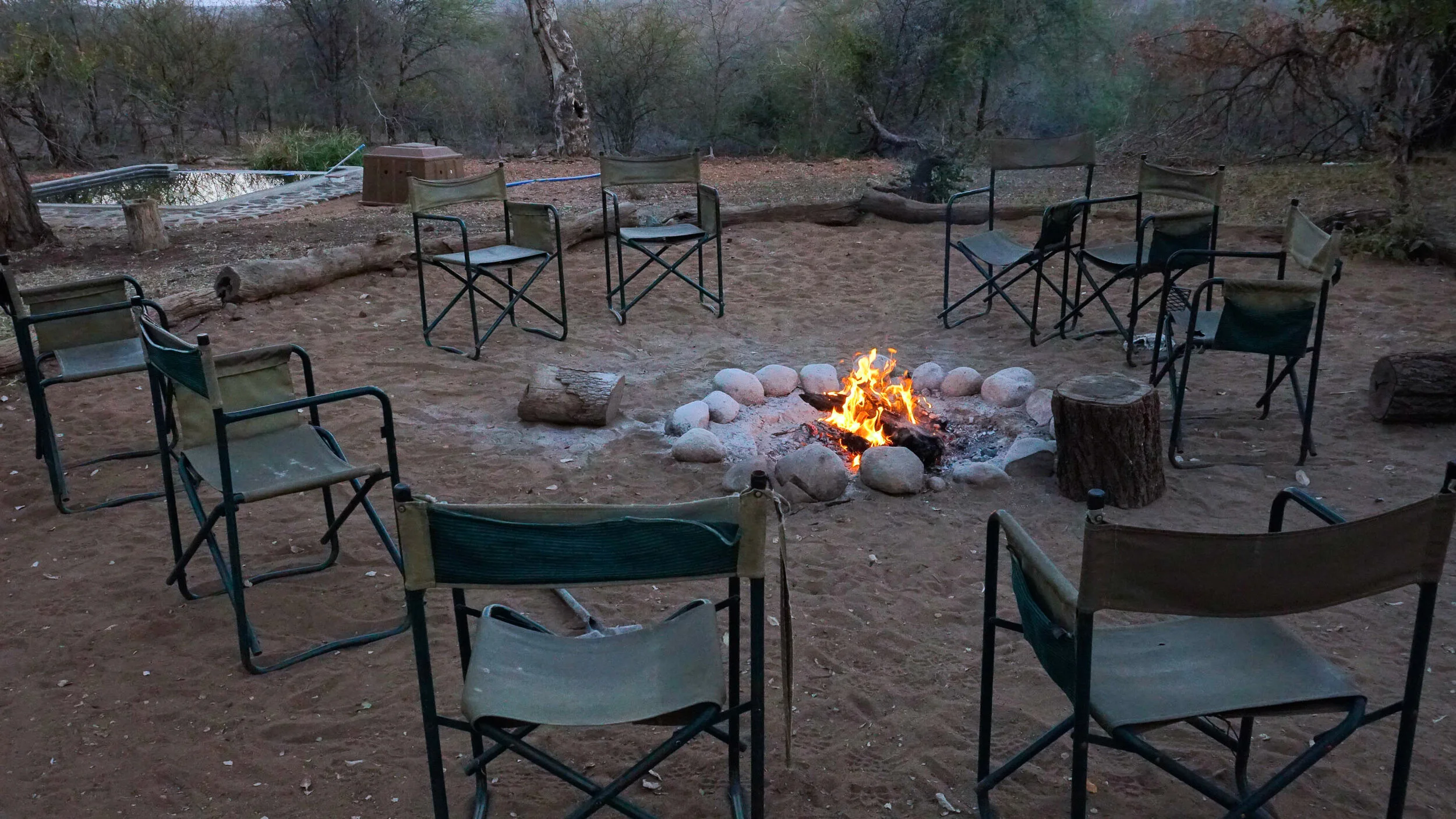
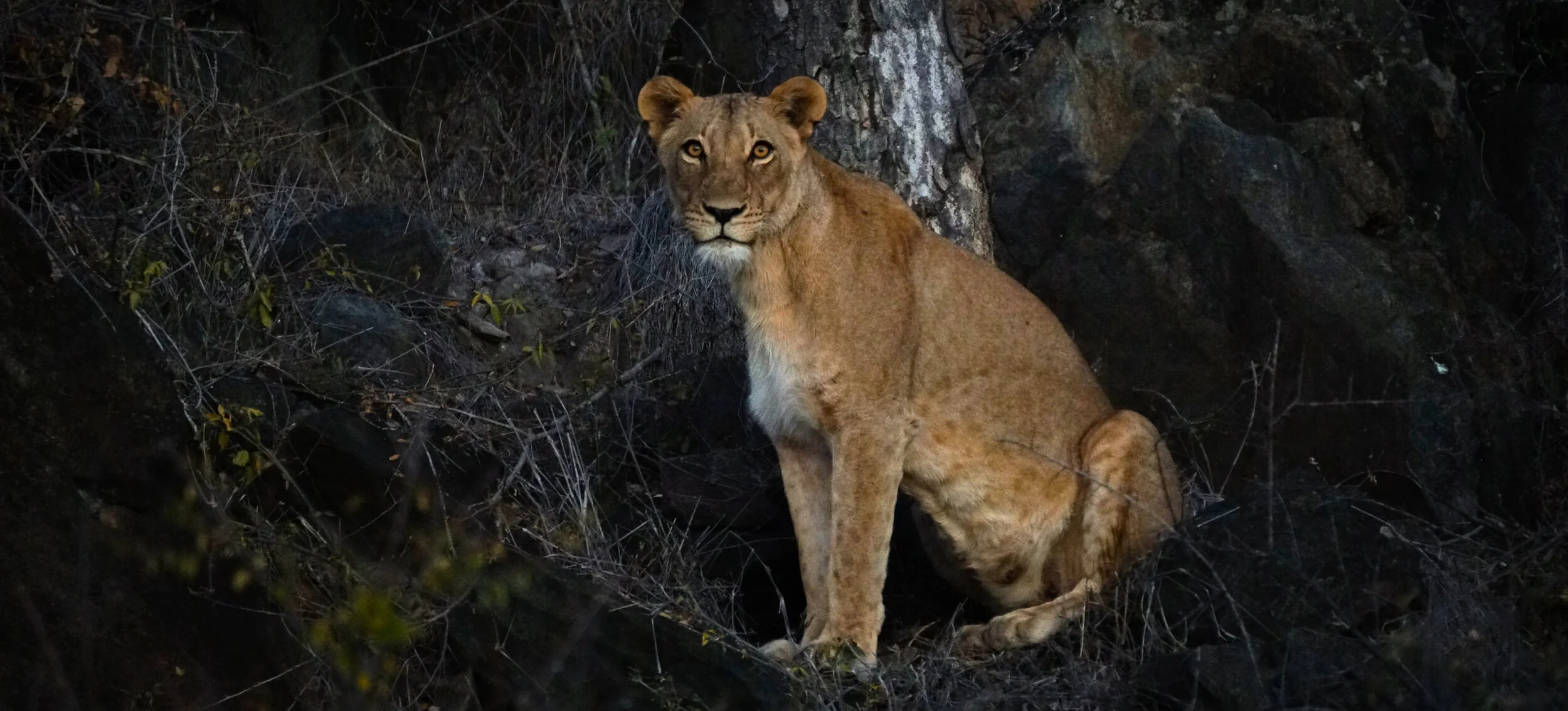
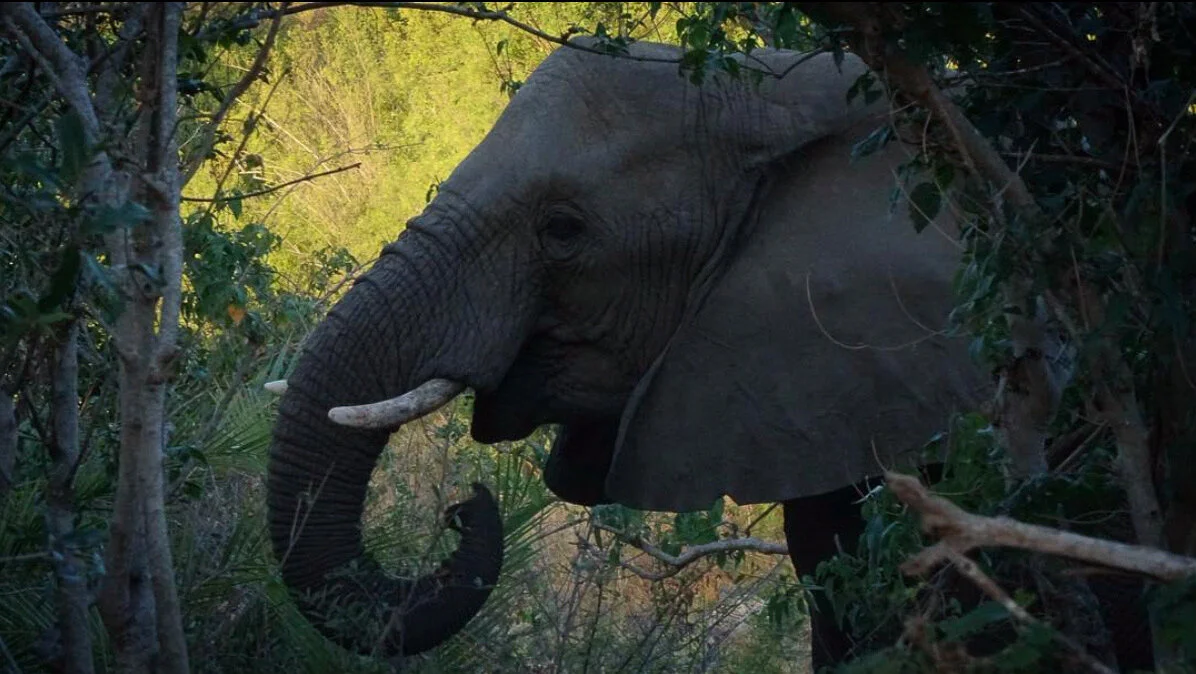
I decided volunteering in the South African bush was something I wanted to do for reasons that were both selfish and empathic. I enjoyed every minute spent gazing upon the animals there, who have ample space to roam, sleep, hunt, breed, and graze in their natural habitat. Being a part of an ecosystem larger than myself while finding personal satisfaction in the experience is a hypocritical position, meanwhile the animals live unfettered from our purview and scrupulous observation; they live in a constant state of unbeknownst freedom and fear. Animals do not consider their own hypocrisy because they live bound by instinct (as do people but on a much more cerebral level). Their lives are unfettered from our observation unless we choose to intervene, and oftentimes we do. At the risk of saturating my impression, recurring encounters with these animals (one found in the safety of our vehicular observation decks) went through the motions of awe to excitement to curiosity. As humans, we have left something behind that animals still possess. And for better or worse, we are attached to them through a spectrum of morality that is nurturing and selfish.